 Porto Hub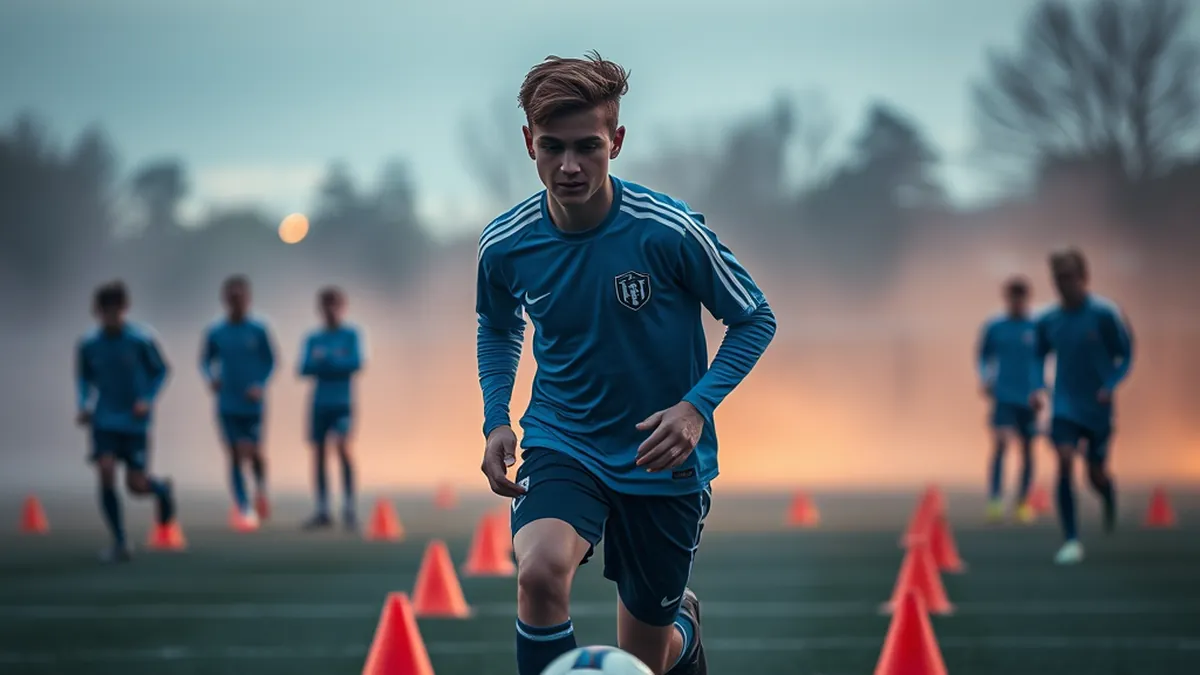
The Importance of Youth Development in Portuguese Football
Portuguese football is renowned for its excellence in developing young talents, and the rivalry between Futebol Clube do Porto, Sporting CP, and SL Benfica has been a driving force behind this phenomenon. Each of these clubs not only competes on the pitch but also in creating champions, shaping not just players but the future of the sport in Portugal. Recently, a heated discussion about how each club approaches player development revealed much about their philosophies and practices.
These clubs have heavily invested in their youth academies, aware that developing young players is key to long-term success. FC Porto, for instance, is known for its ability to identify promising talents and nurture them from an early age. In fact, many players who have shone in the first team, such as Rúben Dias and Danilo Pereira, have come through its ranks.
Distinct Approaches to Youth Development
Each of the Portuguese giants has a unique approach to player development. While FC Porto focuses on rapidly integrating young talents into the first team, Sporting CP is famous for its offensive playing philosophy and technical development, while SL Benfica positions itself as a club prioritizing tactical formation and adaptability.
- FC Porto: Focus on quick integration of youth into the first team, promoting experience in high-pressure matches.
- Sporting CP: Emphasizes technical development, seeking players with exceptional skills and an attacking mindset.
- SL Benfica: Prioritizes tactical formation, preparing players to adapt to different playing styles.
These different strategies are reflected in the results each club achieves in national and international competitions. For instance, FC Porto consistently stands out in the Primeira Liga, while Sporting has a strong presence in European competitions like the Champions League.
Impact on the Next Generation
The debates among these clubs are not just about rivalry, but about the impact their philosophies have on the next generation of players. FC Porto and its rivals are aware that how they train and develop their athletes will shape not only the future of their clubs but also that of the national team. Players like Diogo Jota and João Félix are examples of locally trained talents who have shone on international stages.
Player development is not just a technical issue, but also involves psychological and social aspects. The clubs are investing in psychological support and personal development, recognizing that the pressure to succeed can affect young athletes' performance. This is especially relevant in a country where the passion for football is intense.
The Role of Coaches
Coaches play a crucial role in the development of young talents. At FC Porto, the presence of experienced coaches who have played at a high level is a significant advantage. They not only bring technical knowledge but also help shape players' mindsets.
The experience of figures like Sérgio Conceição has been crucial. His ability to motivate and integrate young talents into the first team is one of the factors contributing to the club's success. Moreover, the interaction between coaches and players is vital for creating an environment of trust and continuous development.
What This Means for Futebol Clube do Porto
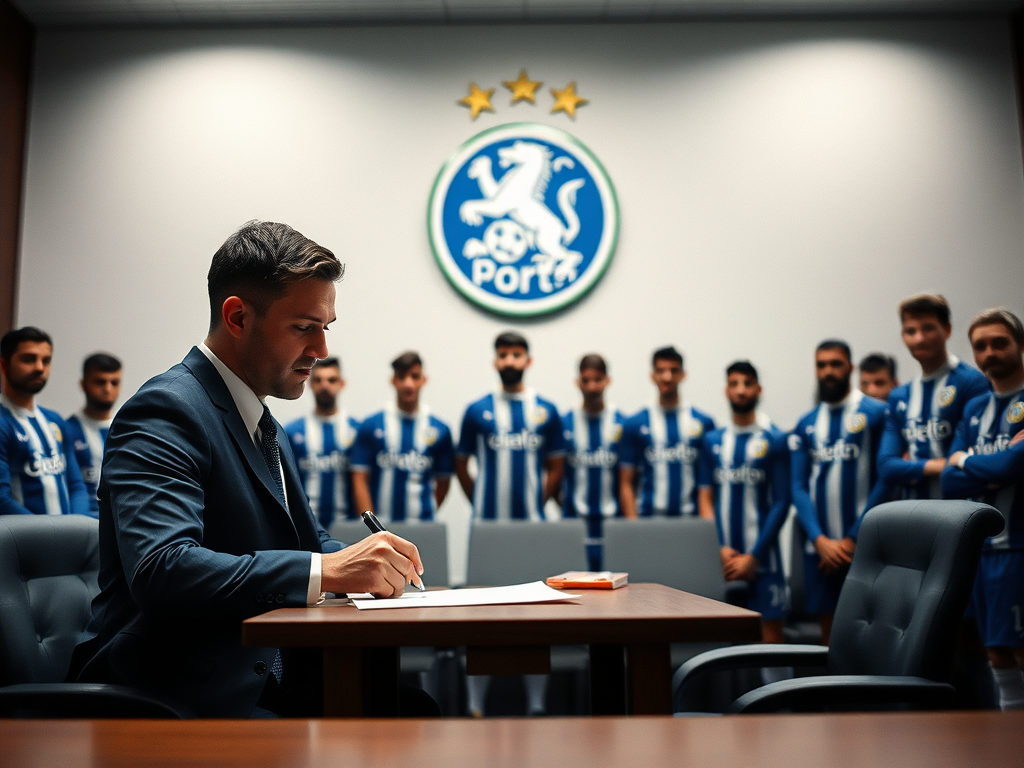
For Futebol Clube do Porto fans, success in developing young talents is a matter of pride. Watching players who grew up in their academies shine at the Dragões and represent the national team brings a sense of fulfillment. The emotional connection between fans and homegrown players is strong, and this fuels a virtuous cycle of support and success.
Furthermore, investment in youth development ensures that FC Porto remains competitive in an increasingly challenging European landscape. The ability to develop local talents is an advantage that can be decisive in competitions like the Champions League, where experience and quality can make the difference in high-pressure matches.
Fan Reactions and Future Prospects
Fan reactions to the development strategies are largely positive. They recognize that player development is an essential part of FC Porto's identity. Support for the academy is evident, and many fans are eager to see more young talents making a mark in the first team.
However, there are critics who argue against an over-reliance on young players in critical moments. Some fans believe that while development is essential, the club also needs experienced reinforcements to compete at the highest level. This is a valid discussion, as balancing youth and experience is key to long-term success.
What's Next
The future of youth development in Portugal looks promising, especially with the ongoing investment from clubs. FC Porto is well-positioned to continue its tradition of shaping champions. As the competition increases, it will be interesting to see how the club adapts its strategies to meet the demands of an ever-evolving game.
In the meantime, fans should continue to support their academies and applaud the young talents that emerge, as they represent the future of Futebol Clube do Porto and potentially, Portuguese football as a whole.