 Porto Hub
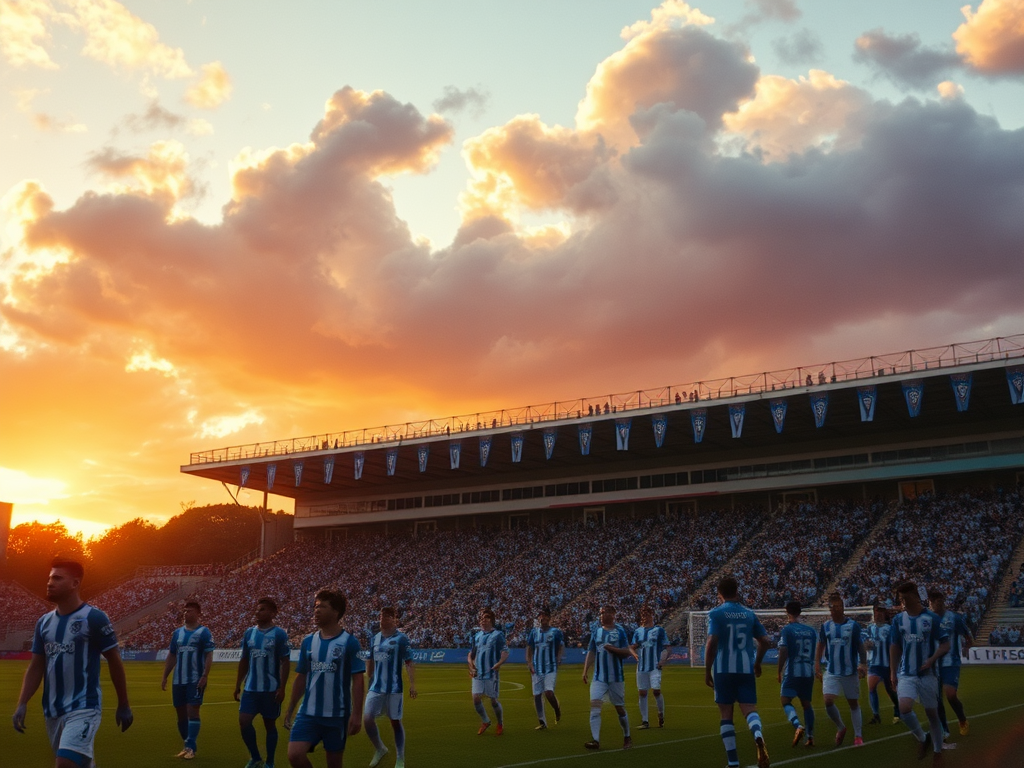
In recent matches, the Dragons have shown inconsistent performance, reflecting an urgent need for tactical adjustments. The root of the problem seems to lie in the lack of fluidity in midfield and the inability to create clear goal-scoring opportunities. It is essential for the team to reassess its approaches, particularly regarding the transition from defense to attack.
A closer analysis reveals that the current formation, often aligned in a 4-4-2, may be limiting the players' creativity. The transition from midfield to attack needs to be more agile, and a shift to a 4-2-3-1 formation could provide the necessary freedom for playmakers like Otávio and Galeno. With two holding midfielders, the team could also ensure greater defensive stability, allowing the full-backs to advance with more confidence.
Another point to consider is the positioning of the forwards. The strike partnership has often been isolated, making finishing difficult. Introducing a third forward or a false nine could create confusion in the opposing defense, opening up spaces for runs. It is vital for the team to communicate better and for players to understand their roles within the new system.
Moreover, FC Porto should invest in training focused on ball possession. The ability to maintain possession and control the game's tempo is crucial for wearing down opponents and creating opportunities. High pressing should also be a priority, as it forces opponents into mistakes that can be exploited by quick and skillful players.
Finally, it is essential for the team to maintain confidence. Each player must remember that they possess the quality needed to make a difference on the pitch. With small tactical changes and a renewed focus, the Dragons can quickly return to the path of victories and reclaim their prominent place in the Primeira Liga.