 Porto Hub
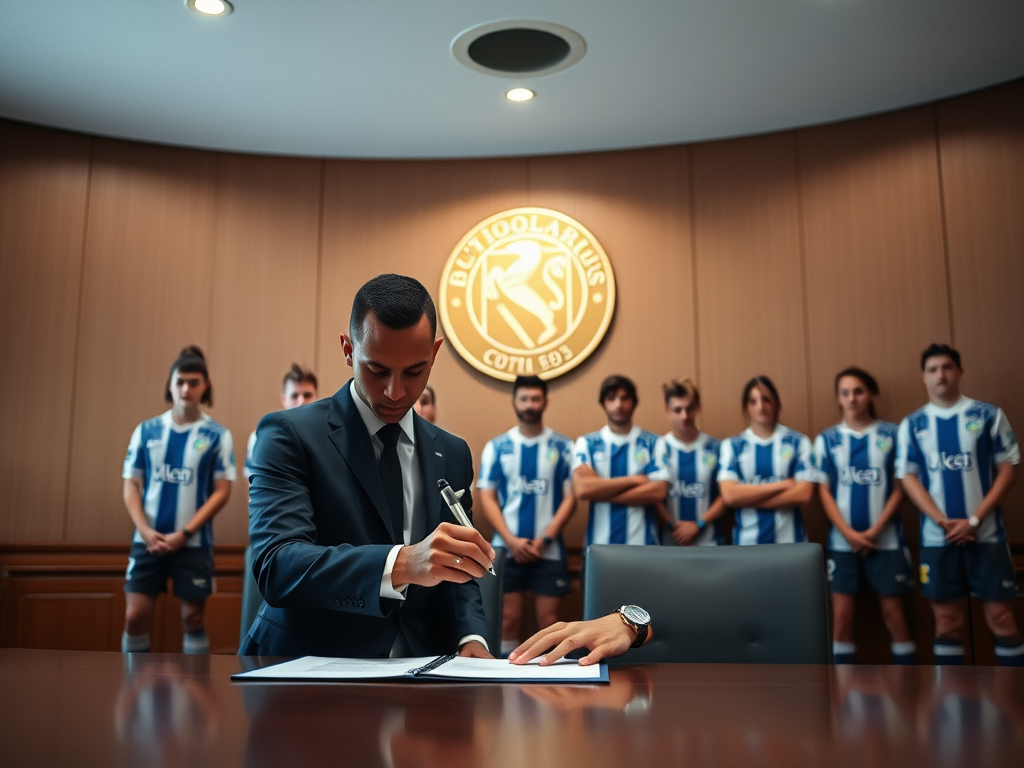
FC Porto, one of Portugal's most emblematic clubs, experienced one of the most significant moments in its history in 1986, a year marked by transition and renewal. Following the departure of big names and a shaky season, the club's management decided to invest in new leadership: José Mourinho, a young coach who was already showing potential to become one of the greatest figures in world football.
Mourinho arrived at the club with a clear vision and a burning desire to transform the Dragons into a powerhouse not only in Portugal but also in Europe. The 1986/87 season was characterized by offensive and organized football, promoting a style of play that captivated fans and restored confidence in the team. With players like Rui Barros and Fernando Gomes, Porto began to display its true strength, winning matches convincingly.
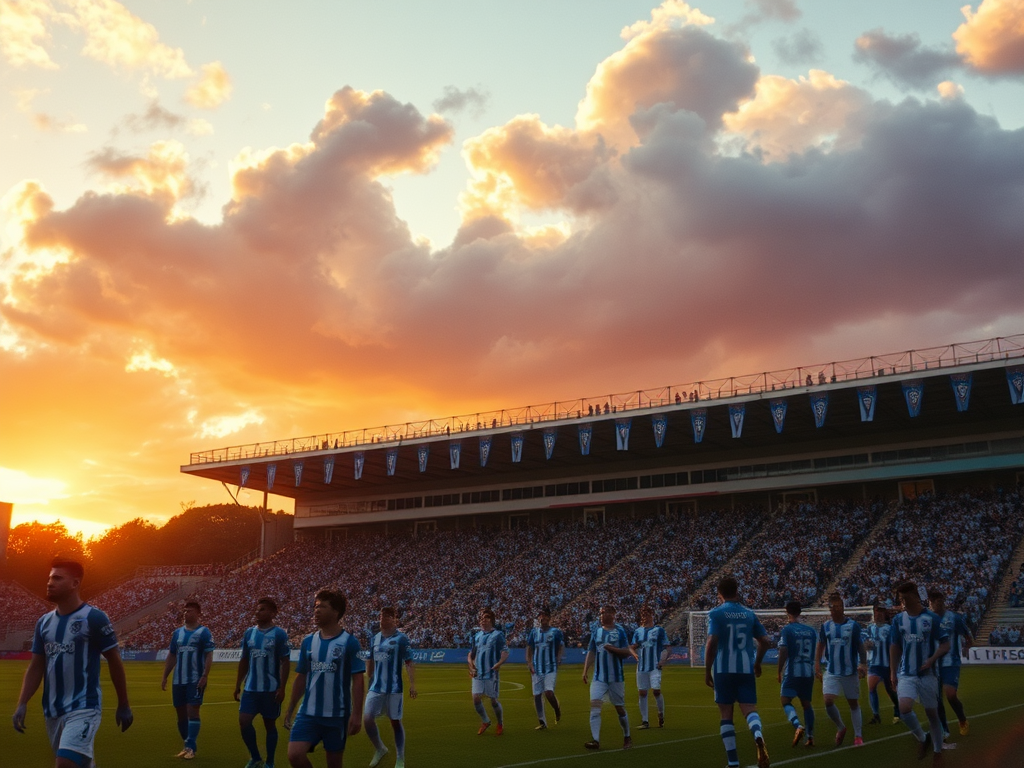
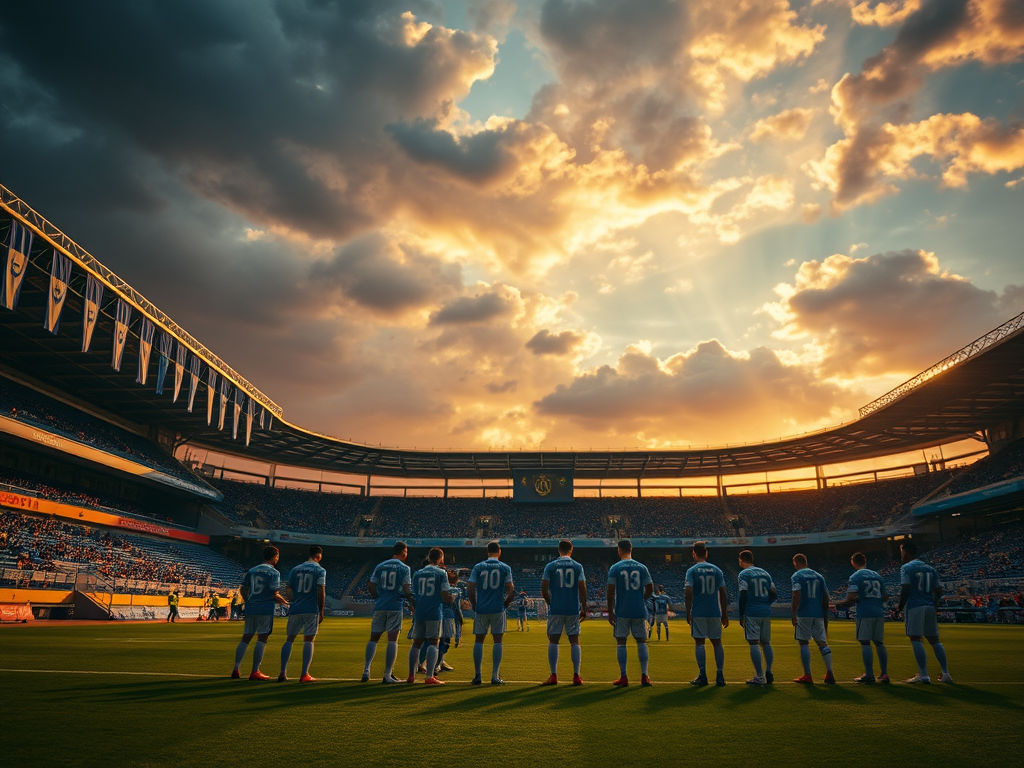
One of the most emblematic games of that season was the victory over Benfica, Porto's greatest rival, at the Estádio da Luz. This match not only solidified the team's morale but also began to create an even more intense rivalry between the two clubs. With the unwavering support of their fans, the Dragons managed to win the Taça de Portugal and later the European Cup, an achievement that would become a milestone in Portuguese football history.
The conquest of the European Cup in 1987 was not just a sporting triumph but a statement of identity for FC Porto. The victory over Bayern Munich in a final held in Vienna was the culmination of hard work and a well-defined strategy. Mourinho, who had become an icon among the fans, demonstrated that his tactical approach and ability to motivate players were crucial for the club's success.
The impact of that revolutionary year reverberated for decades, establishing Porto as one of the most respected clubs in Europe and creating a culture of victory that endures to this day. The team continued to win national and international titles, but it was the foundation laid in 1986 that shaped the winning mentality that characterizes the club to this day.
In retrospect, 1986 was not just a year of transition but a true rebirth for FC Porto. The club's determination to reinvent itself under Mourinho's leadership and the fervent support of its fans created a synergy that still resonates at the Dragão. The Dragons not only rose to the top of Portuguese football but also positioned themselves as a global force, a legacy that continues to inspire generations of fans and players alike.
Thus, as we look back at the history of FC Porto, the revolution of 1986 stands as a reference point reminding us of the resilience and passion that define this great club. It is a testament to the power of football to unite people and create legacies that endure through time.