 Porto Hub
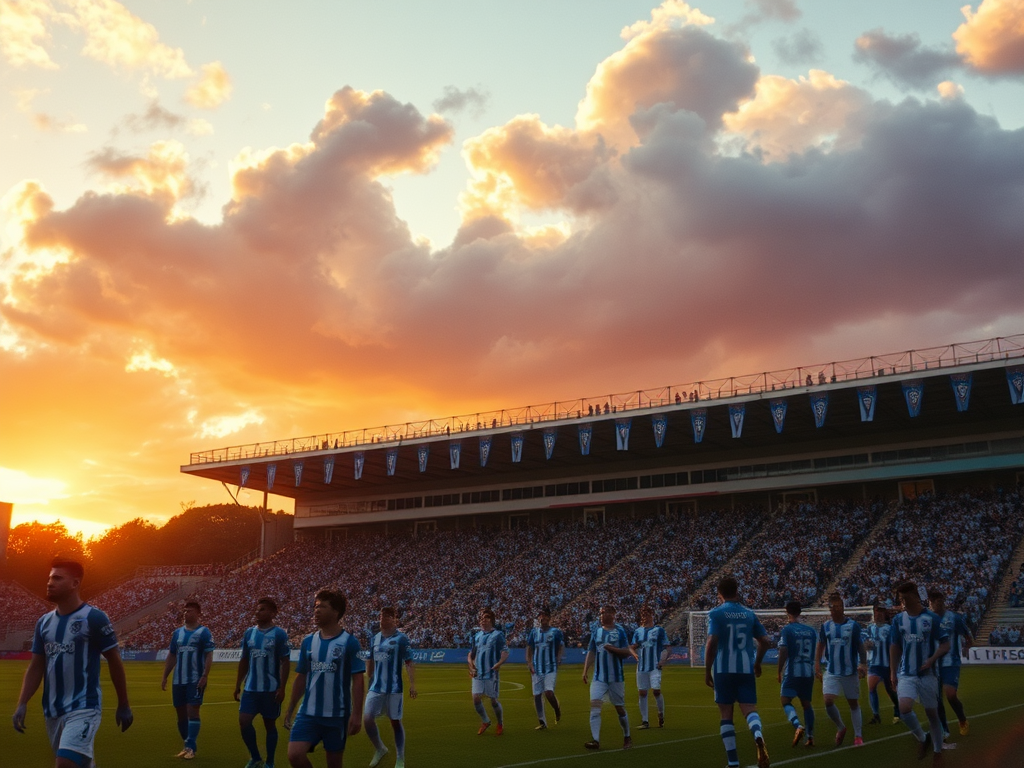
On May 27, 1987, Futebol Clube do Porto achieved immortality by winning the European Cup against Borussia Mönchengladbach in a final held at the Ramón Sánchez Pizjuán Stadium in Seville. The match was a spectacle of intense emotions and footballing skill, where the Dragons showed the world what it meant to be a true giant of the sport.
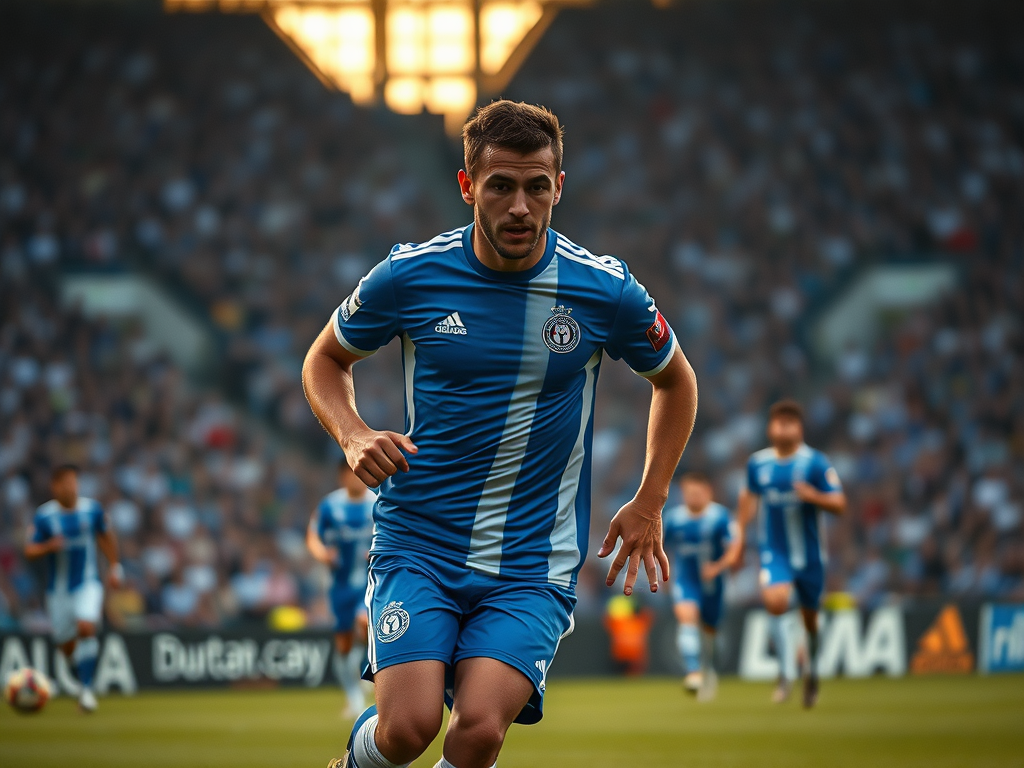
Under the guidance of coach Artur Jorge, FC Porto entered the pitch with a spirit of determination and confidence. From the outset, the team displayed bold and offensive play, with players like Rabah Madjer and Fernando Gomes leading the attack. The decisive moment came with Madjer's famous back-heel goal, which not only equalized the score but also became a symbol of the audacity and creativity that characterized the team.
Throughout the match, Porto remained undaunted. With a solid defense led by players like João Pinto and Jorge Costa, the club managed to neutralize the threats posed by Borussia, who desperately sought victory. What followed was a crucial second goal scored by António Oliveira, sealing the fate of the match and igniting a celebration among Porto fans.
The 2-1 victory not only secured FC Porto's first European title but also laid the groundwork for an era of success. The conquest of the European Cup was a turning point, placing FC Porto on the map of world football and inspiring generations of players and coaches to follow. The team not only brought prestige to the club but also elevated the standard of Portuguese football as a whole, proving that it was possible to compete with the greatest powers on the continent.
Furthermore, this victory in Seville was a unifying moment for the Porto nation. The streets of Porto were filled with joy and celebration as fans poured out en masse to commemorate the historic achievement. The spark of the 1987 victory continues to burn in the hearts of supporters, reminding everyone that determination and hard work can lead to extraordinary accomplishments.
In retrospect, the victory in the 1987 European Cup is not just a glorious memory of the past but also a reminder of what FC Porto represents: passion, struggle, and an indomitable spirit that continues to inspire all who wear the blue and white shirt. The Dragons not only claimed a trophy but also an eternal place in the history of European football.